



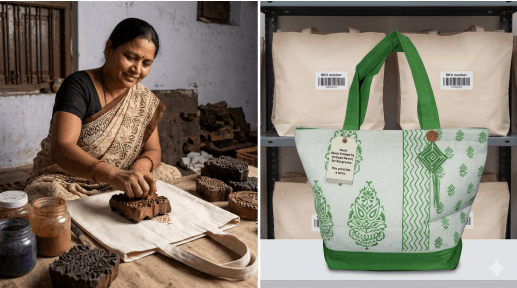
We get this question a lot, usually phrased a little defensively: "Why does your handmade bag cost more than the one I saw online for half the price?" It is a fair question, and it deserves a fair answer, not just a sales pitch.
So let us actually walk through it — what is different, what you are really paying for, and when mass-produced might genuinely be the right choice too. Because honesty matters more to us than convincing you of something you do not need.
The real difference between handmade and mass-produced
A mass-produced item is built for one purpose: consistency at scale. Thousands of identical pieces, made on machines, at a price point that depends almost entirely on volume. There is nothing wrong with this model. It has made products affordable and accessible for huge numbers of people.
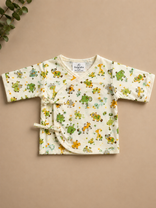
A handmade item is built differently, almost philosophically differently. Each piece passes through a human being's hands at the steps that matter most — cutting, stitching, printing, finishing. That human involvement means no two pieces are perfectly identical, and it also means the cost structure includes something a machine never charges you for: a person's time, skill, and livelihood.
Five honest reasons people choose handmade
1. The story behind the product

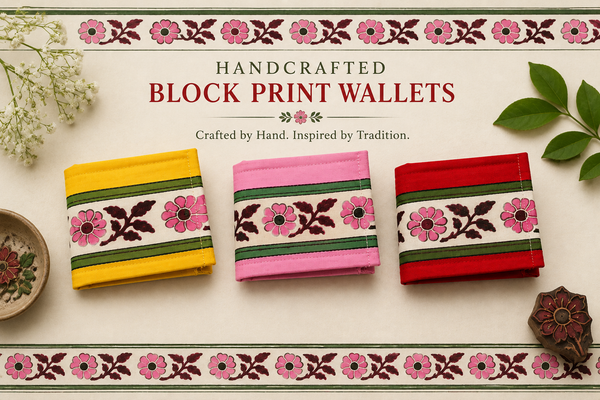
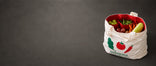
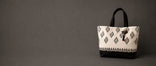
When you buy a hand block-printed tote bag from us, that print was pressed by a specific artisan, often someone we can name, working from a design tradition passed down through her family or community. A mass-produced bag has no such story. It has a SKU number.
For gifting especially, this matters. A gift with a story attached feels different to receive than a gift that could have come from any shelf, anywhere.
2. Quality that holds up differently

This surprises people, but well-made handmade goods often outlast mass-produced equivalents. A hand-stitched cotton tote with reinforced seams, made by someone whose reputation depends on that bag not falling apart, tends to survive years of daily use. Machine-stitched goods at the lowest price point are often built to a cost target first, durability second.
3. Supporting real livelihoods, not just a brand

This is the part that genuinely matters most to us. Every Rangresha product supports women artisans in and around Nagpur and rural Maharashtra, many of whom found financial independence through this work for the first time. When you choose handmade from a fair-trade source, your money has a visible, traceable impact on a real person's life, not just a corporate margin.
4. Lower environmental footprint

Mass production typically depends on large-scale synthetic material use and high-volume machine output, both of which carry a heavier environmental cost. Handmade production, especially with natural fibres like cotton and silk and traditional dyeing methods, tends to use fewer resources per piece and creates far less industrial waste.
5. A product that feels personal, even when it isn't customised
There is a texture, a slight irregularity, a warmth to handmade goods that mass production cannot replicate, even with the best machines. People notice this, even if they cannot always explain why a handmade gift "feels" different. That feeling is the human hand, quite literally, still visible in the final product.
When mass-produced genuinely makes sense
We will not pretend handmade is always the right call. If you need ten thousand identical promotional pens for a trade show tomorrow, mass production is the practical answer, and there is no shame in that. Handmade goods work best when the gift or product is meant to carry weight — a corporate gift for a valued client, a wedding favour, a welcome kit for a new employee, a festival gift for your team. Anywhere the relationship matters more than the unit cost.
Choosing with intention
The honest case for handmade is not that it is always better. It is that it is better suited to moments where meaning matters as much as the object itself. Mass production solves for scale. Handmade solves for connection.
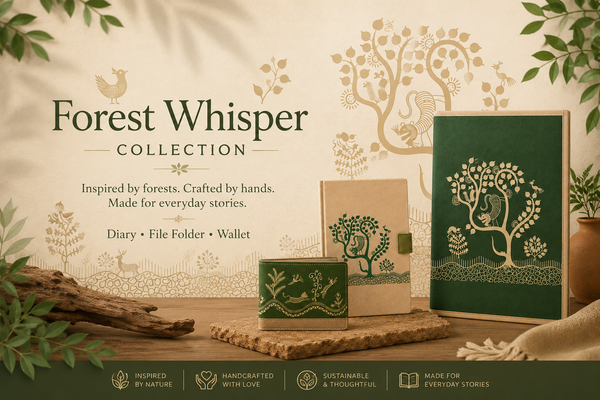
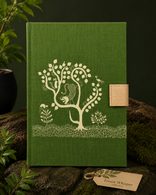
If you are deciding between the two for an upcoming gifting need, we are happy to talk it through with you. You can explore our handmade range, including corporate gifting collections and Warli print products, and see for yourself what a human-made product feels like in hand.